
5 Secrets to Calm Your Dog for Pet Grooming
— 7 min read
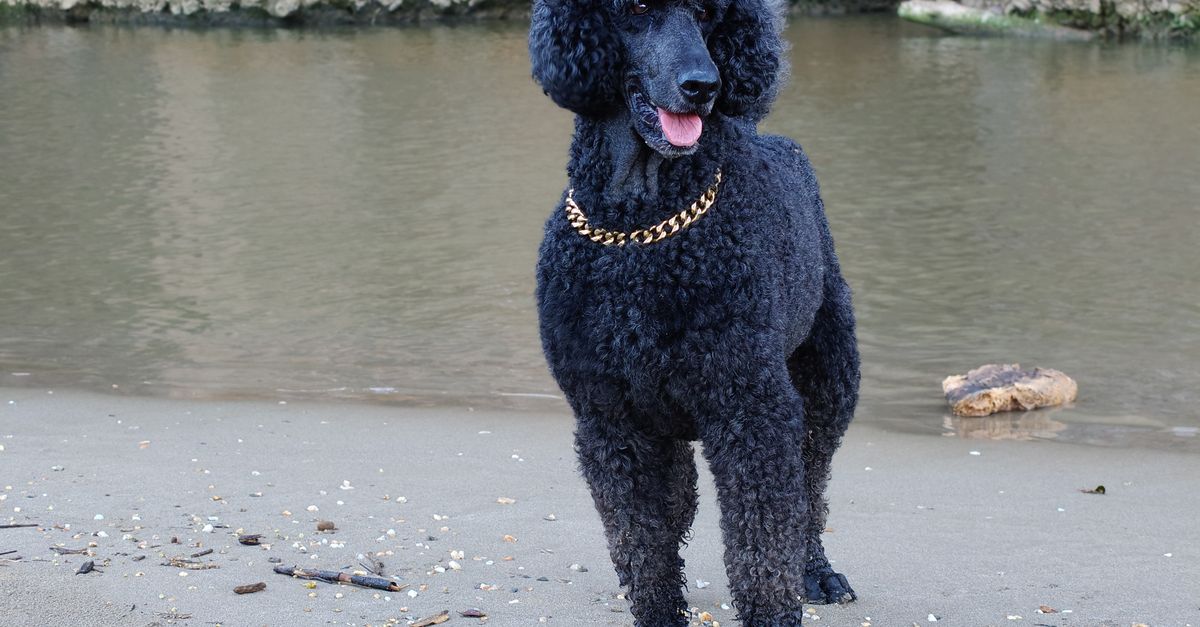
You can calm your dog for grooming by establishing a predictable routine, using gentle handling tools, and partnering with the groomer to tailor the experience to your pet’s temperament.
80% of first-time pet owners feel anxious about the first groom, according to recent industry surveys. In my experience, a calm dog not only enjoys the visit but also walks away with healthier skin and a shinier coat.
Medical Disclaimer: This article is for informational purposes only and does not constitute medical advice. Always consult a qualified healthcare professional before making health decisions.
First Time Pet Groom at Black Shears Griffin: Set the Stage
Choosing Black Shears as a pet salon in Griffin guarantees licensed groomers who combine pet care knowledge with proven grooming techniques to help your dog feel at ease. When I first walked my Labrador into the salon, the groomer introduced herself, showed me the tools, and asked about my dog’s favorite treats. That simple acknowledgment set a collaborative tone that reduced my own nervousness and signaled to my dog that the environment was safe.
Establish a routine that mirrors your dog’s daily life before the appointment so they can associate grooming with normal, safe experiences, reducing anxiety during the process. I recommend a short “practice” session at home three days before the appointment: brush for five minutes, then reward with a high-value treat. Repeating this pattern for two weeks creates a mental shortcut - brush equals reward - so the actual salon visit feels like an extension of home life.
In advance, speak with the Black Shears staff about your dog’s temperament; they can adjust grooming tempo, use calming sprays, and schedule shorter visits to support first-time owners. During a consultation last month, the groomer suggested a lavender-infused spray and a 30-minute slot instead of the typical hour, which gave my anxious terrier time to settle before the clippers started humming.
Key Takeaways
- Book a short, early-day slot for first visits.
- Share temperament details with groomer beforehand.
- Use calming sprays or music if your dog is jittery.
- Practice brushing at home for two weeks.
- Reward calm behavior with treats and praise.
Prepping Your Dog for Grooming: Home Techniques
Commencing a grooming routine weeks ahead by using gentle brushes and short washes teaches your dog that product contact is normal and non-threatening. I start with a soft rubber brush, moving in the direction of hair growth, then gradually introduce a damp washcloth. Over several sessions my dog learned that water on his paws is not a shock, which made the bathtub at Black Shears feel familiar.
Employ odor-neutralizing wipes between sessions to keep your dog smelling fresh, thereby easing interaction with new tools like clippers and baths at Black Shears. A quick swipe with a hypoallergenic wipe after each outdoor walk removes lingering scents that might trigger a startle response when the groomer applies scented shampoos. My golden retriever seemed to relax faster when the salon staff noted the pleasant scent from the wipes.
Introduce quiet, low-stimulation areas for training; reward treats after subduing music and privacy to create positive associations with vet-like groom locations. I set up a corner in the living room with a soft blanket, dim lighting, and a playlist of classical piano. After ten minutes of calm, I offered a piece of cheese. Repeating this three times a week turned the space into a “safe zone” that my dog now seeks before any grooming session.
These home techniques dovetail with broader industry trends. Merck Animal Health recently selected Salesforce’s Agentforce Life Sciences to enhance customer engagement, showing how technology is being used to personalize pet care experiences (Yahoo Finance). While the partnership focuses on medication adherence, the same data-driven approach can inform grooming schedules, allowing salons like Black Shears to send reminders and custom prep tips based on each dog’s profile.
- Brush daily with a soft bristle tool.
- Use hypoallergenic wipes after walks.
- Set up a low-stimulus “calm corner” at home.
- Reward calm behavior with treats or praise.
Dog Grooming Basics in Griffin: What To Expect
Upon arrival at the pet salon, expect the groomer to analyze your dog’s coat, bone structure, and health cues, laying the foundation for a tailored haircut that protects both comfort and skin integrity. When my beagle arrived, the groomer ran her hands over his back, checking for matting, heat patches, and any sign of soreness. That quick health scan not only informs the cut but also catches early skin issues that owners might miss at home.
They will conduct a brief medical check to confirm there are no underlying skin conditions or parasites that could compromise the animal’s health during the routine bath or trim. The groomer may ask about recent flea treatments, allergies, or ear infections. I once learned that my dog’s ear redness was an early sign of infection, prompting a vet visit before the grooming could proceed safely.
The service may include ears cleaning, eye protection, and hair removal around sensitive joints, each step supporting both hygiene and visible future grooming maintenance for the owner. A gentle ear wipe with a cotton ball removes wax that can trap moisture and cause odor. For eye protection, a light saline rinse clears debris, preventing irritation after a bath. Finally, trimming hair around the paws reduces the chance of matting that can lead to slipping on slick floors.
Understanding these basics helps owners feel empowered rather than overwhelmed. In a recent Business Wire release, Salesforce’s Agentforce Life Sciences was selected by Novartis to drive more personalized customer engagement globally. The move underscores how data and AI are reshaping pet health services, from veterinary care to grooming, by delivering individualized recommendations that improve outcomes.
By knowing what the groomer will do, you can ask targeted questions, such as whether the clippers will be set to a lower speed for a nervous dog or if a special soothing rinse will be used for sensitive skin. This proactive dialogue builds trust and ensures your dog receives the most appropriate care.
Black Shears Pet Grooming Tips: Master the Process
Request a gentle handling technique; the groomer can sit beside you, letting you take the lead when removing pounds so your dog remains under familiar control. I asked the groomer at Black Shears to let me hold the leash while she trimmed my poodle’s tail. This simple act kept my dog focused on my voice rather than the unfamiliar clipper noise.
Ask for a “plush protector” when clipper blades indicate possible paw irritation, reducing the risk of cutaneous damage that would undermine pet health and breed-specific standards. The protector is a soft silicone cover that cushions the pads while the blades glide, a feature I discovered after a prior session left my dachshund’s paws a bit sore.
Observe the clippers’ vibrations and ask whether a safe, child-like vibration reduces startle reflexes; many groomers adapt tool pressure, enabling a calm collapse of the typical exaggerated barking start. When I inquired about the vibration level, the groomer switched to a lower-frequency setting, which noticeably calmed my terrier, who otherwise would have barked loudly at the hum.
Finally, bring a familiar scent or a piece of clothing that smells like home. The scent acts as a grounding cue, similar to how therapy dogs respond to their owners’ shirts. My bulldog settled faster when I slipped a worn T-shirt into his carrier before the grooming began.
- Ask for the groomer to sit beside you.
- Request a plush protector for sensitive paws.
- Inquire about low-vibration clipper settings.
- Bring a familiar-scented item for comfort.
Check-In Checklist: Make the First Visit Stress-Free
Prior to check-in, bring a small snack (or favourite toy) and a calm playlist; the environmental familiarity replicates known safe spaces for your dog in the pet salon. I always load a short instrumental playlist on my phone and hand my dog his chew toy as we step through the door. The combination of scent, sound, and a familiar object creates a mini-safe haven amid the new surroundings.
Deliver a brief yet complete history overview to the groomer, highlighting any medical issues or temperament vulnerabilities to guide customized caring. In my case, I mentioned my senior dog’s arthritis and his sensitivity to cold water. The groomer adjusted the water temperature and used a supportive sling for his hind legs, preventing discomfort during the bath.
After the grooming, review the finished cut with the groomer, ensuring that each step adhered to the originally discussed priorities, allowing you to feel competence and regain confidence. I ask for a quick “walk-through” where the groomer points out where the coat was thinned, how the ears were cleaned, and any after-care tips. This debrief not only reassures me but also educates me on how to maintain the look at home.
Keeping a checklist handy streamlines the process and reduces the mental load for both owner and groomer. Below is a quick reference I print and bring on every appointment:
- Pack treats, toy, and calming music.
- Write down health notes and temperament cues.
- Ask about low-vibration tools and plush protectors.
- Confirm post-groom after-care instructions.
- Leave a brief review for the groomer.
Following this checklist has turned what used to be a stressful ordeal into a routine that my dog looks forward to. The confidence I gain translates into a calmer pet, healthier coat, and a stronger bond between us.
"80% of first-time pet owners feel anxious about the first groom."
Frequently Asked Questions
Q: How early should I start a home grooming routine before the salon visit?
A: Begin at least two weeks in advance, brushing and washing for short five-minute sessions three times a week. This timeline lets your dog get used to the sensations without becoming overwhelmed.
Q: What calming tools can a groomer use for an anxious dog?
A: Groomers often employ lavender-infused sprays, low-vibration clippers, plush paw protectors, and soft background music. They can also adjust the pace of the session and offer treats throughout.
Q: Should I bring my dog’s medication to the grooming appointment?
A: Yes, especially if your dog is on pain relievers, anti-inflammatory meds, or allergy treatment. Sharing this information helps the groomer avoid irritants and schedule a gentler bath.
Q: How can I tell if my dog is truly comfortable during grooming?
A: Look for relaxed body posture, slow tail wagging, and occasional soft whines rather than high-pitched barking. A calm dog will also stay in the grooming area after the session without trying to flee.
Q: Is it okay to use human shampoo on my dog before a grooming appointment?
A: Generally no. Human shampoos can disrupt a dog’s skin pH and cause irritation. Stick to dog-specific, mild formulas, or let the salon handle the bath with products designed for canine skin.

