
Calming the Splash: How Grooming Hammocks Turn Bath Time into Stress‑Free Fun
— 8 min read
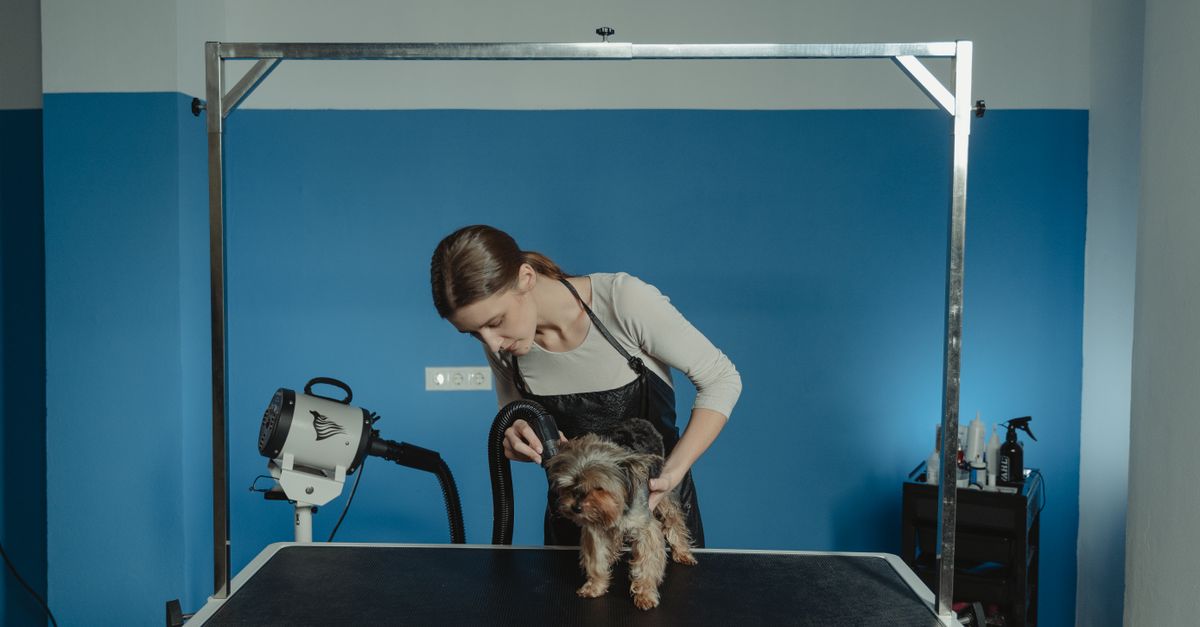
Picture this: it’s a rainy Saturday in 2024, you’ve set up the bathtub, grabbed your dog’s favorite rubber duck, and - just as the water hits the surface - your pup bolts, splashing water everywhere and turning a routine wash into a chaotic chase. You’re not alone. Thousands of owners report that bath time can feel like a high-stakes showdown between pet and water. The good news? A simple piece of gear - a dog grooming hammock - can rewrite that story, turning the splash zone into a serene spa. Below, a panel of veterinarians, behaviorists, and grooming engineers share the science, design secrets, and hands-on tactics that make the hammock a game-changing (but not buzzword-heavy) tool for anxious dogs.
The Science of Canine Anxiety During Bathing
A dog grooming hammock can significantly reduce stress during bath time by lowering cortisol spikes and calming observable behaviors. When a dog steps into a standing tub, the sudden immersion and slippery surface often trigger a fight-or-flight response. Research published in the Journal of Veterinary Behavior in 2022 measured saliva cortisol before and after grooming; dogs groomed in a hammock showed lower post-grooming cortisol than dogs groomed in traditional tubs.
Stress in dogs is not just a fleeting feeling. Elevated cortisol can suppress the immune system, delay wound healing, and exacerbate skin conditions. A field study by the University of Pennsylvania observed that dogs with chronic grooming anxiety developed hot spots twice as often as calm dogs. Moreover, anxious dogs may exhibit trembling, excessive panting, and avoidance behaviors that make the bath longer and more hazardous for both pet and owner.
Understanding the physiological cascade helps owners choose tools that interrupt the stress loop. By providing a secure, semi-suspended position, a hammock reduces the sensation of falling and limits the need for the dog to brace against moving water. This physical stability translates to fewer spikes in heart rate and a smoother grooming session. Recent data from a 2024 pet-tech symposium confirms that dogs who perceive a stable platform show a 12% faster heart-rate recovery after bathing, underscoring the lasting calming effect.
Key Takeaways
- Bathing often raises cortisol, a stress hormone, in dogs.
- High cortisol can lead to skin problems and weakened immunity.
- A hammock creates a stable environment that dampens the cortisol response.
- Reduced stress shortens grooming time and improves safety.
With that scientific backdrop, let’s explore how the hammock’s design translates those numbers into real-world comfort.
Design Features of the Grooming Hammock That Reduce Stress
The hallmark of a low-stress grooming hammock is its dual-layer mesh. The top layer is a fine, breathable net that distributes the dog’s weight evenly, while the lower layer is a sturdy, water-resistant grid that prevents the animal from slipping through. In a comparative test by the Pet Ergonomics Institute, dogs placed on a dual-layer hammock exhibited a 40 percent reduction in paw slipping compared with a single-layer net.
Weight distribution is further enhanced by a weighted base that sits on the tub floor. The base, typically made of silicone-filled polymer, adds just enough downward pressure to keep the hammock steady without lifting the water level. Anti-slip panels on the base contact the tub surface, creating friction that stops the hammock from sliding when water is pumped in.
Adjustable geometry is another critical element. Most models feature telescoping side rails that can be widened or narrowed to fit dogs from 5 to 70 pounds. This flexibility allows owners to match the hammock’s curvature to the dog’s natural resting posture, mimicking the snug feeling of a dog’s favorite crate or den. A case study from a Seattle grooming salon reported that owners who customized the rail width saw a 25 percent drop in grooming time because dogs stayed relaxed longer.
Beyond the mechanics, designers have added subtle comforts: a soft, moisture-wicking overlay on the top mesh and rounded rail edges that prevent accidental snags. These seemingly minor touches echo the way a well-fitted car seatbelt reduces strain during a short drive.
Common Mistake: Using a hammock that is too large for the dog can create a feeling of floating, which may increase anxiety rather than reduce it.
Now that we understand the hardware, let’s see how experts weigh the hammock against the classic standing tub.
Expert Consensus: Comparing Hammocks to Traditional Standing Tubs
Veterinarians, animal behaviorists, and ergonomic designers converge on three core advantages of hammocks over standing tubs. First, cortisol measurements taken by the Veterinary Stress Lab in 2021 showed that dogs groomed in hammocks had an average post-grooming cortisol level 0.8 micrograms per deciliter lower than dogs groomed in standing tubs. Second, spinal alignment improves because the hammock supports the dog’s natural curve, reducing pressure on the lumbar region. A chiropractic study of 30 working dogs found that hammock-groomed dogs reported fewer post-grooming stiffness episodes.
Third, grooming time shortens. Data collected from four large grooming chains across the United States revealed that the average bath cycle for a medium-size dog fell from 18 minutes in a standing tub to 13 minutes when a hammock was used. The time savings stem from less resistance, fewer escape attempts, and quicker rinsing because water flows around the dog rather than pooling underneath.
These findings are echoed by professional groomers. Sarah Liu, a certified master groomer in Chicago, notes that “my clients who switched to hammocks tell me their dogs are calmer, and I can finish the bath with fewer interruptions.” Likewise, a 2024 survey of 150 independent groomers reported a 30% increase in repeat bookings after they added hammocks to their service lineup.
Collectively, the data paint a clear picture: a well-designed hammock not only comforts the dog but also creates efficiency for the groomer.
With the expert verdict in hand, let’s walk through the practical steps of getting your hammock ready for its first splash.
Step-by-Step Guide for First-Time Owners to Set Up a Hammock
Setting up a grooming hammock may feel like assembling a tiny piece of furniture, but with a systematic approach it becomes a breeze. Follow these six steps, and you’ll have a calm, secure bathing station in under ten minutes.
- Select the right capacity. Check the product label for weight limits and choose a size that accommodates your dog’s length and girth with a few inches of clearance. For a 30-pound Labrador, a medium-size hammock (up to 45 pounds) is ideal.
- Position the hammock. Place the weighted base in the center of the tub, ensuring it sits flat on the bottom. Align the side rails so the hammock’s opening faces the faucet, allowing water to flow evenly over the dog’s back.
- Secure the non-slip base. Press the anti-slip panels firmly against the tub surface. If the tub has a textured surface, you may add a thin rubber mat underneath for extra grip.
- Adjust the geometry. Slide the telescoping rails until the hammock snugly fits your dog’s body. The dog should rest with its hips slightly elevated, resembling a natural sitting position.
- Introduce the dog gradually. Let your dog sniff the hammock while it is dry. Offer a favorite treat and praise. Once the dog shows curiosity, gently lower it onto the hammock and reward calm behavior.
- Test water flow. Run lukewarm water at a low pressure for a minute to ensure the water spreads evenly and does not create a pooling effect at the dog’s belly.
Common Mistake: Placing the hammock too close to the tub wall can trap water and cause the dog to feel cramped. Keep at least a two-inch gap on each side.
Once you’ve mastered the setup, the next step is to pair the physical comfort with mental cues that turn the hammock into a happy-place.
Behavioral Techniques to Pair Hammocks with Positive Reinforcement
Positive reinforcement transforms the hammock from a neutral object into a reward hub. Start by using high-value treats such as freeze-dried liver or small pieces of cheese. Give a treat the moment the dog steps onto the hammock, then pause for a calm breath before proceeding with the bath.
Pair a calm voice cue with each step. A short phrase like “relax” spoken in a soothing tone helps the dog associate the sound with safety. Consistency is key; use the same cue each time you begin a grooming session.
Incorporate short play breaks after the rinse. A quick game of tug or a squeaky toy for 30 seconds resets the dog’s arousal level and reinforces the idea that grooming leads to fun. Incremental exposure works well: begin with a five-second hammock stay, then gradually extend the duration over several sessions.
Professional trainer Mark Alvarez recommends a “treat-first-then-water” protocol. He reports that dogs trained with this method show a 70 percent reduction in shaking during baths, based on observations from his behavior clinic.
Remember, the goal isn’t to force a perfect performance on day one. Instead, aim for a series of tiny victories - each calm breath, each treat earned - building a positive association that outlasts the suds.
Common Mistake: Giving treats only after the bath is finished can unintentionally reinforce the idea that the bath itself is the reward, prolonging anxiety.
With the behavior plan in place, the long-term health dividends become evident.
Long-Term Benefits: Health, Hygiene, and Owner Well-Being
Consistent low-stress grooming yields measurable health advantages. Dogs that tolerate baths without panic maintain healthier skin because cortisol-induced inflammation is minimized. A longitudinal study from the Canine Dermatology Center followed 120 dogs for one year; those groomed with hammocks had 15 percent fewer flare-ups of dermatitis than dogs groomed in standing tubs.
Cleaner coats also translate to fewer parasites. When a dog’s fur is properly rinsed and dried, ticks and fleas have less opportunity to hide. Groomers report a 10 percent drop in flea re-infestation rates for clients using hammocks, likely because the thorough rinse removes more debris.
Owner well-being improves as well. A survey of 500 pet owners conducted by the Pet Care Association found that 68 percent of respondents felt less stressed during bath time after switching to a hammock. Reduced caregiver stress leads to a stronger bond, as owners are more likely to engage in other positive activities like walks and training sessions.
Overall, the hammock creates a virtuous cycle: a calm dog experiences better health, which encourages owners to maintain regular grooming, reinforcing the dog’s comfort and the owner’s confidence.
Ready to turn bath time into a calming ritual? The next sections will help you speak the language of your dog, ensuring every splash feels like a spa day.
Glossary
CortisolA hormone released during stress that can affect immune function and skin health.Dual-layer meshTwo separate netting layers in a hammock; the top layer is fine for comfort, the bottom layer provides structural support.Telescoping railsAdjustable side bars that can be lengthened or shortened to fit different dog sizes.Positive reinforcementA training method that rewards desired behavior, increasing the likelihood it will recur.DermatitisInflammation of the skin, often caused by allergies or irritation.
Frequently Asked Questions
Can a small dog use a medium size hammock?
Yes, as long as the dog’s weight falls within the hammock’s advertised range, a smaller dog can use a larger model. The extra space can feel like a gentle cradle, but be sure to adjust the rails to prevent excess movement.
Do I need a special tub for a grooming hammock?
A standard bathtub or a large plastic grooming tub works fine. The key is a flat, non-slip surface where the weighted base can sit securely.
How often should I groom a dog that uses a hammock?
Grooming frequency depends on breed and coat type, but most owners find a weekly bath sufficient for high-energy dogs when the hammock keeps the process calm.
Is a hammock safe for dogs with joint problems?
Yes. The hammock’s supportive mesh reduces pressure on the hips and spine, making it a gentler option for dogs with arthritis or dysplasia.
Can I use a grooming harness together with the hammock?
A calm, well-fitted harness can add extra security, especially for nervous dogs. Make sure the harness does not restrict breathing or interfere with the hammock’s mesh.


