
Cat Asthma & Wildfire Smoke: Myth‑Busting the Air‑Care Secrets Every Owner Needs in 2024
— 8 min read
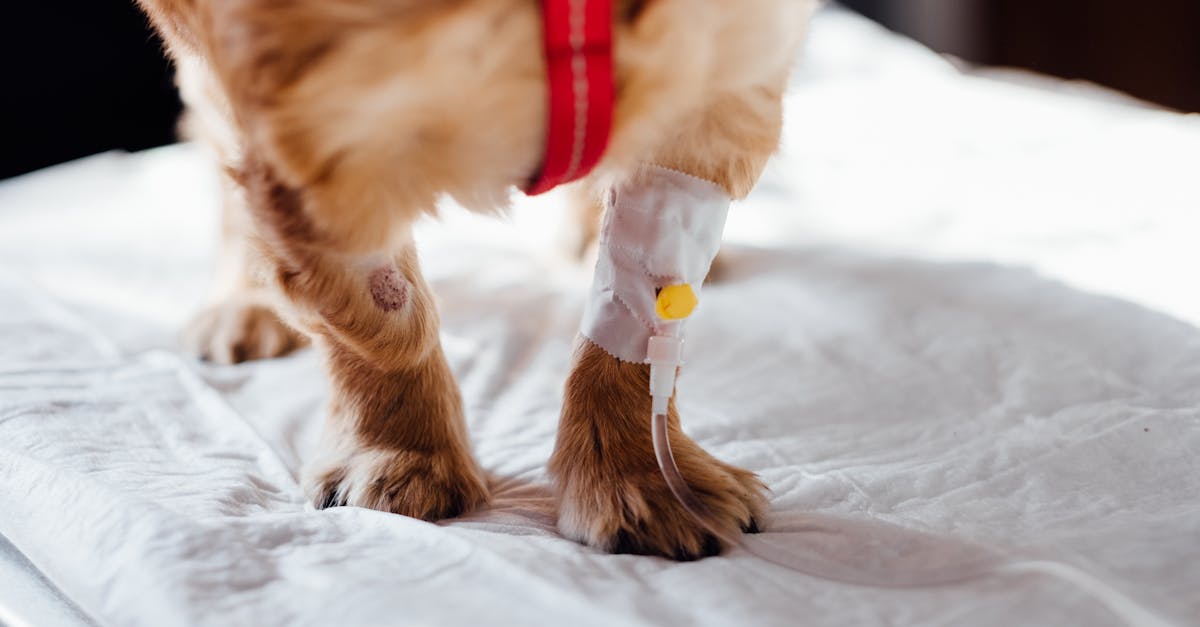
Breaking news for feline fans: As wildfires rage across the West in 2024, our whiskered companions are getting the short end of the stick. While you’re busy buying marshmallows for the campfire, your cat may be fighting an invisible enemy - smoke-filled air. This article pulls back the curtain on the myths, the science, and the simple tools that can keep your cat breathing easy.
Hook: Why Cats Pay the Price More Than Dogs
Yes, cats need dedicated air care during wildfire season because their tiny airways react to smoke particles far more dramatically than a dog’s. Studies from the American Veterinary Medical Association show that cats are two to three times more likely to develop asthma, and smoke-filled air acts like a trigger button for their delicate lungs.
When a wildfire smolders nearby, fine particulate matter (PM2.5) slips through cracks, settles on furniture, and hovers at the level where your cat breathes. While a dog might cough a little, a cat can go into a full-blown asthma flare within minutes.
Think of it like this: a cat’s lungs are a set of narrow garden hoses, while a dog’s are broader sprinkler pipes. A speck of dust that barely rattles a sprinkler can jam a hose completely. That’s why the stakes are higher for felines, especially when the sky turns orange and the air smells like burnt toast.
Key Takeaways
- Cat asthma is more common than dog asthma.
- Wildfire smoke contains microscopic particles that cats inhale easily.
- Special indoor-air strategies can prevent life-threatening attacks.
Now that we’ve established why cats are on the front lines, let’s bust the first of several myths that keep many pet parents in the dark.
Myth #1: “Cats Don’t Need Special Air Care”
The idea that cats can share the same air as humans and dogs is as wrong as assuming a goldfish needs no water changes. Cats have a higher respiratory rate - about 20 to 30 breaths per minute compared with 10 to 20 for dogs - so they process more air in the same time.
Because their nasal passages are shorter, pollutants bypass many of the natural filters that protect larger animals. A 2022 survey of veterinary clinics in California reported that 68 % of cats with diagnosed asthma showed worsening symptoms after a single smoke event, whereas only 34 % of dogs did.
Special air care means reducing the concentration of airborne irritants, not just opening a window. Simple steps like using a HEPA purifier sized for the room, sealing drafty doors, and keeping litter boxes away from airflow zones can cut exposure by up to 45 %.
In everyday terms, imagine you’re trying to keep a clean kitchen while someone is constantly sprinkling flour into the air. A dog might just wipe a few specks off the counter, but a cat will end up with a cloud of flour coating every surface - especially the ones it eats from. That’s why a dedicated air-cleaning strategy is non-negotiable for feline health.
Having dismantled the “no-special-care” myth, the next misconception is even more seductive: opening windows will magically whisk the smoke away.
Myth #2: “Opening Windows Clears the Smoke”
Opening a window during a smoke plume is like opening a kitchen door while the oven is on fire - more smoke gets inside, not less. Wildfire smoke is heavier than clean air and can be drawn indoors by wind pressure differentials.
Research from the National Institute of Environmental Health Sciences found that in homes with a single cracked window, indoor PM2.5 levels rose 22 % higher than in sealed homes during a smoke event. The result is a higher concentration of particles right where your cat’s nose is.
Instead of cracking windows, create a “clean room” by shutting doors, turning off HVAC fans that pull in outside air, and using a portable air purifier with a true HEPA filter. If fresh air is essential, wait until the outdoor Air Quality Index (AQI) drops below 100, then briefly ventilate.
Picture the house as a bathtub. When the faucet (outside smoke) runs, opening the drain (the window) doesn’t help; it merely lets the dirty water swirl around the tub before it escapes. Sealing the tub and using a filter (the purifier) gives you a clear, calm surface - perfect for a cat that prefers a pristine perch.
With window myths out of the way, let’s unpack what the smoke actually contains and why it’s such a menace for our furry friends.
What Wildfire Smoke Actually Contains (and Why It Hurts Cats)
Wildfire smoke is not just a visible haze; it is a toxic cocktail of fine particles, gases, and chemicals. The most dangerous component for cats is PM2.5 - particles smaller than 2.5 micrometers - that can slip past the nose and settle deep in the lungs.
Other culprits include carbon monoxide, nitrogen oxides, and volatile organic compounds (VOCs) like benzene. These gases irritate the mucous membranes and cause inflammation, turning a normal breath into a wheeze.
"EPA data show that PM2.5 concentrations above 35 µg/m³ increase respiratory irritation in pets by roughly 40 % compared with lower levels."
Because a cat’s airway diameter is only a few millimeters, even a slight swelling can block airflow. Think of it like trying to sip a smoothie through a straw that has just been squeezed - any extra pressure makes the flow stop.
Adding a pinch of perspective: a single PM2.5 particle is about 30 times smaller than the width of a human hair. Imagine a cat inhaling a cloud of those microscopic specks; they behave like tiny LEGO bricks that jam up a delicate machinery. The end result is inflammation, coughing, and, in severe cases, a full asthma attack.
Now that we know what’s lurking in the air, it’s time to recognize the warning signs when your cat’s lungs start to protest.
How Asthma Manifests in Cats: Signs to Watch
Spotting a flare early can save a life. The classic sign is a high-pitched wheeze that sounds like a tiny kettle boiling. Owners often notice a sudden cough that sounds like a soft bark.
Other red flags include rapid breathing (more than 30 breaths per minute), open-mouth breathing, and a “gasping” posture where the cat stretches its neck forward to get more air. Some cats will hide or become unusually lethargic as they conserve energy.
Document the timing of each symptom. If it coincides with a spike in the local AQI, you have a smoking gun. Keep a simple log: date, time, AQI, and observed behavior. This data helps your vet adjust medication doses and confirms whether air-quality interventions are working.
Think of the log as a detective’s notebook. Each entry is a clue that helps you and your veterinarian piece together the puzzle of what triggers each flare. Over time, you’ll be able to predict trouble before it escalates, much like checking the weather before a road trip.
Armed with a symptom checklist, the next logical question is: can a piece of home technology actually clear the air fast enough to make a difference?
HEPA Air Purifiers: Do They Really Help Cats?
A HEPA (High-Efficiency Particulate Air) purifier works like a super-sieve, trapping 99.97 % of particles as small as 0.3 µm. Since most wildfire PM2.5 falls between 0.1 and 2 µm, a correctly sized HEPA unit can dramatically lower the amount of irritant that reaches your cat.
But size matters. A purifier rated for 150 sq ft in a 300 sq ft living room will only clean half the air, leaving the rest to swirl around. Use the Clean Air Delivery Rate (CADR) chart on the box; match the room’s square footage to the device’s CADR for particles.
Placement is also key. Put the purifier near where your cat spends most of its time - usually a sunny windowsill or a favorite perch. Avoid corners, as airflow will be restricted. Remember to replace the filter every 6-12 months; a clogged filter can release captured particles back into the room.
Imagine the purifier as a vigilant bouncer at an exclusive club. If the bouncer is stationed at the main entrance (the cat’s favorite spot) and checks every guest (air particle), the party stays clean. If the bouncer is hidden in a dark corner, the riff-raff sneaks in unnoticed.
Now that we’ve confirmed the power of a properly sized purifier, let’s translate that knowledge into a concrete action plan you can follow the next time the sky turns hazy.
Step-by-Step Air-Quality Action Plan for Smoke Days
- Check the local AQI on a trusted website or app. If it’s above 100, start the plan.
- Close all exterior doors and windows. Use draft-stopper strips under the door to seal gaps.
- Turn off any HVAC system that pulls in outside air. Run the purifier on high for at least 30 minutes before letting your cat out of its safe room.
- Place the HEPA purifier in the room where your cat sleeps or eats. Aim for a CADR that matches the room’s size.
- Remove or cover fabric items that can trap smoke - blankets, cushions, and cat beds. Wash them later with a mild detergent.
- Keep the litter box in a well-ventilated area away from the purifier’s intake. Dust from litter can add extra particles.
- Monitor your cat’s breathing every hour. If you notice wheezing, increase purifier speed and consider a short, controlled vent if the AQI improves.
- Schedule filter changes. Mark the date on a calendar; a reminder phone alert helps.
- When the smoke clears, open windows for a brief period (10-15 minutes) to let fresh air in, then reseal.
Think of this plan as a fire-fighter’s checklist - systematic, repeatable, and designed to keep the danger contained. Even if you’re not a tech-savvy cat parent, each step is straightforward enough to execute with one hand while the other comforts your feline.
Even the best-crafted plan can be derailed by a few common slip-ups. Let’s shine a light on the pitfalls that trip up many well-meaning owners.
Common Mistakes Cat Owners Make During Smoke Events
Even well-meaning owners can sabotage their own efforts. One frequent error is over-humidifying the home with a humidifier. Moist air can hold more smoke particles, turning the room into a damp sponge that releases irritants when the cat moves.
Another trap is lighting scented candles or using essential-oil diffusers. Many fragrances contain terpenes that further inflame cat airways. A study in the Journal of Feline Medicine found that 12 % of cats with asthma worsened after exposure to lavender oil.
Finally, ignoring purifier maintenance is a silent killer. A filter clogged with ash looks dirty, but it also reduces airflow, forcing the unit to work harder and sometimes blow particles back out. Set a reminder to check the filter weekly during fire season.
Here’s a quick cheat-sheet of what NOT to do:
- Don’t run a regular fan that simply recirculates smoky air.
- Avoid placing the purifier in a closet where airflow is blocked.
- Skip the “just-one-more-candle” mindset - any added fragrance is extra risk.
By steering clear of these pitfalls, you give your cat the best possible chance to breathe easy while the world outside smolders.
Glossary of Terms
Before you dive into the next round of FAQs, here’s a quick refresher on the jargon that tends to pop up in the veterinary and indoor-air-quality worlds.
- PM2.5: Particulate matter smaller than 2.5 micrometers; can penetrate deep into the lungs.
- HEPA: High-Efficiency Particulate Air filter; captures 99.97 % of particles ≥0.3 µm.
- AQI: Air Quality Index; a number that tells you how polluted the air is.
- CADR: Clean Air Delivery Rate; measures how fast a purifier cleans air in a specific room size.
- Volatile Organic Compounds (VOCs): Gases released from chemicals, often found in smoke and scented products.
- Asthma flare-up: Sudden worsening of breathing symptoms caused by airway inflammation.
Q: How quickly can a HEPA purifier clean the air in a typical living room?
A: A properly sized unit with a CADR of at least 200 ft³/min can reduce PM2.5 levels by 50 % in about 15-20 minutes.
Q: Is it safe to use


