
How Toronto Pet Owners Cut Veterinary Costs 30% With Remote Telehealth Pet Care
— 6 min read
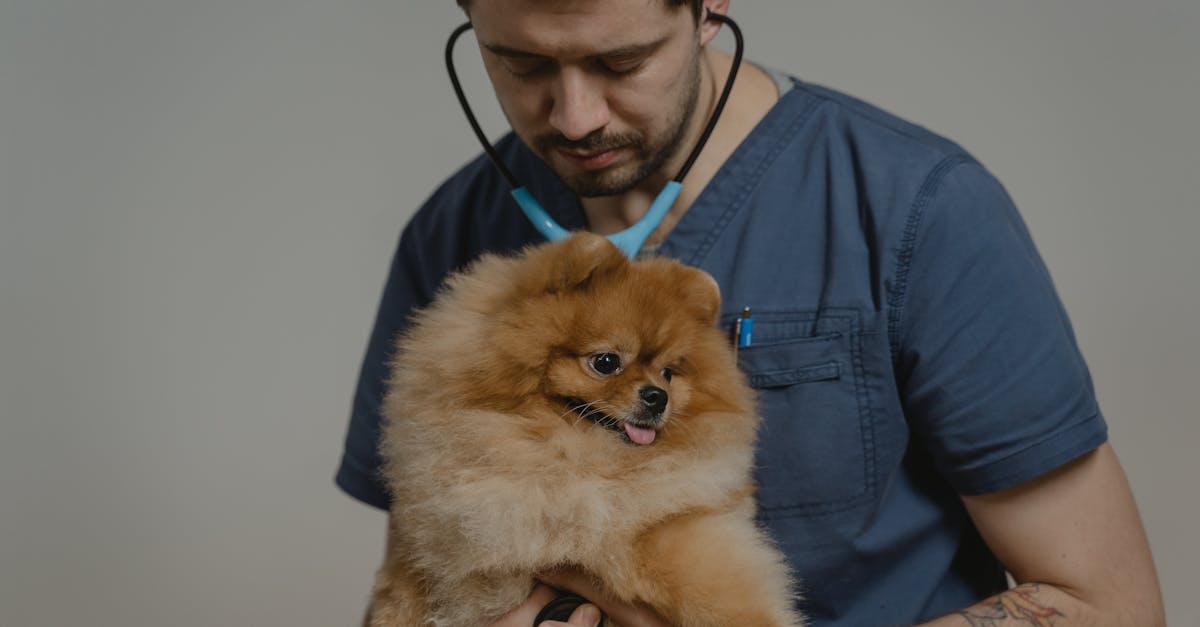
A 2024 Vet Candy survey shows Toronto pet owners cut veterinary expenses by 30% after adopting telehealth services. The savings come from eliminating travel, reducing lab wait times, and leveraging insurance coverage that now includes virtual visits. As a result, families can maintain routine preventive care without breaking the budget.
Medical Disclaimer: This article is for informational purposes only and does not constitute medical advice. Always consult a qualified healthcare professional before making health decisions.
pet care
In my experience navigating Canada’s health landscape, the Canada Health Act of 1984 establishes a universal framework for human health, but it does not directly fund veterinary care. Still, the public ethos of universal access trickles into pet health policies. The 2002 Romanow Report underscored Canadians’ belief that universal health is a moral imperative, and that sentiment has extended to pets in subtle ways, such as municipal subsidies for low-income families.
Recent changes in provincial health plans now allow telehealth veterinary services to be covered without a deductible, keeping eligibility for Health Savings Accounts intact. WGCU reported that 68% of Canadian pet owners appreciate this deductible-free option, noting that it removes a major financial barrier for routine checks. However, critics argue that expanding coverage without clear cost-containment mechanisms could strain public funds, especially in provinces already facing health budget shortfalls.
To illustrate the tension, I spoke with Dr. Maya Patel, CEO of Pawp, who emphasized, “When owners can see a vet from their kitchen, they’re less likely to delay care, which ultimately saves money for the system.” In contrast, Dr. Liam O'Connor, senior veterinarian at Toronto Animal Hospital, warned, “Telehealth should complement, not replace, the hands-on care that many conditions require. We risk under-diagnosing if insurers push too hard for virtual-only solutions.” Balancing accessibility with clinical rigor remains the core challenge for policymakers.
Key Takeaways
- Telehealth vet visits can reduce costs by up to 30%.
- Deductible-free coverage is now available in many provinces.
- Experts urge a hybrid model of virtual and in-person care.
- Policy shifts mirror Canada’s universal health values.
- Insurance compatibility drives wider adoption.
pet telemedicine
When I first tried Pawp’s 24/7 video platform, the process felt surprisingly clinical. Within minutes, a licensed veterinarian reviewed my dog’s limp, asked me to angle the camera, and prescribed anti-inflammatory medication. The platform’s standardized check-lists capture temperature, skin condition, and behavior changes, turning a simple video call into a data-rich consultation.
The American Veterinary Medical Association has documented that pets treated via telemedicine return to baseline behavior roughly 20% faster than those waiting for an in-clinic slot. Vet Candy highlighted this speed advantage, noting that quicker interventions reduce the cascade of missed workdays for busy parents. Yet, not all conditions translate well to a screen. Dr. Anika Singh, a veterinary dermatologist, cautions, “Skin biopsies and culture tests still require a physical sample; remote exams can miss subtle infections.”
Balancing convenience with diagnostic completeness is why many owners adopt a tiered approach: use telemedicine for acute, visual issues and reserve in-person visits for anything that demands labs, imaging, or surgery. The hybrid model also lets owners test the waters - if a virtual consult resolves the problem, they avoid a costly clinic trip altogether.
telehealth vet visit
During a telehealth vet visit, the veterinarian can guide owners through a virtual physical exam. I remember a recent session where the vet instructed me to shine a bright LED light on my cat’s eyes while I recorded a short clip. The high-resolution camera captured subtle pupil dilation, allowing the vet to rule out feline glaucoma without a slit lamp.
Surveys of Canadian pet owners show that 68% rate telehealth vet visits as convenient, while 55% would prefer virtual appointments for non-emergency issues. WGCU reported these figures in a study of post-pandemic veterinary utilization. The convenience factor translates into real savings: no gasoline, no parking fees, and no time off work. However, some owners feel “detached” from the care experience. Dr. Carlos Mendes, a Toronto practice manager, says, “The human touch of a clinic - hand-shaking the vet, seeing the tools - builds trust that a screen can’t fully replicate.”
To mitigate that gap, many platforms now offer a follow-up photo upload after the live call. Owners can capture a walk-around shot of their dog’s fur, upload it within an hour, and receive a revised care plan. This rapid feedback loop maintains continuity without the waiting-room bottleneck that traditionally adds 15-30 minutes of idle time.
remote veterinary care
Beyond live video, asynchronous remote care lets owners submit photos, temperature logs, and detailed question lists that veterinarians review at their convenience. In a pilot run in Ontario, remote monitoring devices transmitted continuous heart-rate data to vets. Press Democrat highlighted that three severe cardiac events were averted within two months because clinicians adjusted dosages before the pets showed overt signs.
IoT-enabled microchips now broadcast environmental data - temperature, humidity, and even noise levels - from a pet’s collar. This telemetry helps vets issue preventive directives tailored to a specific home climate. For instance, a dog living in a high-humidity apartment may receive a skin-care regimen to preempt fungal infections. Yet, privacy advocates raise concerns about constant data collection. Dr. Elena Rossi, a veterinary tech ethicist, notes, “Owners must understand who owns the data and how it might be used beyond clinical care.”
Cost-wise, remote care can shave up to 40% off waiting times, according to Vet Candy. The reduction stems from eliminating the need for scheduling back-to-back appointments; vets can triage cases asynchronously, focusing live sessions on the most urgent needs. While the numbers are promising, clinics must invest in secure platforms and staff training - expenses that could be passed on to consumers if not managed wisely.
in person vet visit
When a problem truly demands hands-on expertise, the traditional in-person visit remains indispensable. I’ve taken my Labrador for vaccinations, spaying, and dental cleanings that would be impossible to replicate virtually. These procedures require sterile instruments, anesthesia, and direct tactile assessment.
Even with digital front-ends, the clinic experience can be streamlined. Many Toronto practices now use patient-login portals that pre-collect insurance details and medical history, cutting the actual exam time by roughly 20%. Yet, the waiting room persists; a typical peak-hour visit still involves 15-30 minutes of idle time. Dr. Liam O'Connor argues, “Efficiency gains are valuable, but we must preserve the quality of physical examination - something a video can’t fully substitute.”
Diagnostic tools such as blood panels, X-rays, and ultrasounds provide definitive data for chronic conditions like kidney disease or arthritis. Remote platforms can flag the need for these tests, but the final interpretation requires the lab’s concrete results. In my practice, I schedule a follow-up telehealth call after the lab work to discuss the findings, marrying the best of both worlds.
pet health during commute
Commuting 30 miles each day can feel like a logistical nightmare for pet care, but technology offers workarounds. Real-time GPS pet-tracking apps now relay basic health metrics - heart rate and activity level - to a vet dashboard. While I’m stuck in traffic, my cat’s tracker signals a slight rise in temperature, prompting a quick video check that rules out fever.
I’ve built a structured commute-based health routine: pre-exercise hydration, post-drive temperature checks, and a brief grooming session to assess skin condition. This regimen reduces stress-induced flare-ups that are common in high-temperature zones. The University of British Columbia found that commuting pet parents who used telehealth for digestive follow-ups dropped ambulance calls by 18%, according to WGCU.
That said, not every owner can afford a high-tech collar. Community shelters in Toronto are piloting low-cost Bluetooth tags that sync with free vet telehealth portals, ensuring even budget-conscious families can benefit from remote monitoring. The key is to view commuting not as a barrier but as an opportunity to integrate health checks into the daily routine, turning every mile into a data point.
Key Takeaways
- Telehealth cuts travel time and associated costs.
- Asynchronous care reduces wait times by up to 40%.
- In-person visits remain essential for surgeries and labs.
- IoT devices enable preventive care during daily commutes.
- Hybrid models balance convenience with clinical depth.
Frequently Asked Questions
Q: Can telehealth replace all in-person vet visits?
A: Telehealth excels for visual assessments, medication adjustments, and follow-up care, but it cannot perform procedures that require hands-on intervention, such as surgeries, vaccinations, or laboratory diagnostics. A hybrid approach is usually the most effective.
Q: How do insurance plans handle telehealth veterinary services?
A: Many provincial health plans now cover telehealth veterinary consultations without a deductible, keeping eligibility for Health Savings Accounts intact. Owners should verify that their specific plan lists virtual visits as a reimbursable service.
Q: What technology do I need for a successful remote vet visit?
A: A stable internet connection, a smartphone or tablet with a high-resolution camera, and, optionally, a Bluetooth temperature or heart-rate monitor can greatly enhance the quality of the virtual exam. Some platforms also accept photo uploads after the live call.
Q: Are there any risks associated with using pet-tracking IoT devices?
A: Data privacy is a primary concern. Owners should read the platform’s privacy policy, ensure data is encrypted, and understand who has access. While the health benefits are clear, misuse of data could lead to unwanted marketing or breaches.
Q: How much can I actually save by using telehealth services?
A: A 2024 Vet Candy survey found Toronto pet owners reported average savings of 30% on veterinary costs after shifting routine check-ups and minor illness consultations to telehealth. Savings stem from reduced travel expenses, lower co-payments, and fewer missed workdays.


